How to incorporate deco wall murals in interior design sets the stage for this captivating journey, revealing a world of design possibilities. Imagine transforming a space, breathing life into a room, and instantly adding a touch of timeless elegance. This comprehensive guide will walk you through every step, from understanding the historical charm of Deco murals to choosing the perfect piece for your unique style.
We’ll delve into the nuances of selecting the right mural, considering factors like size, color, and architectural style. Learn how to seamlessly integrate these stunning pieces into various interior design aesthetics, from modern minimalism to traditional grandeur. Furthermore, we’ll explore the art of creating a visual narrative through your chosen mural, setting the mood, evoking feelings, and crafting a truly personalized atmosphere.
Finally, practical considerations like installation, maintenance, and budget-friendly alternatives will equip you with the knowledge to bring your vision to life.
Introduction to Deco Wall Murals
Deco wall murals are a captivating way to infuse a space with historical charm and bold design. Emerging from the roaring twenties, Art Deco style, with its emphasis on geometric patterns and streamlined aesthetics, lent itself perfectly to large-scale wall treatments. These murals often incorporated vibrant colors, luxurious materials, and a sense of opulence, creating a dramatic focal point in any room.Deco murals, in essence, aren’t just decorations; they’re statements.
They communicate a specific era’s artistic sensibilities and convey a particular mood or atmosphere. Understanding the core design elements and materials employed in their creation unlocks the potential for seamlessly integrating these eye-catching features into contemporary interiors.
Key Design Elements of Deco Wall Murals
The design vocabulary of Deco wall murals is characterized by distinct elements that contribute to their visual impact. Geometric patterns, often featuring stylized zigzags, chevrons, and sunbursts, are prominent. Streamlined forms and strong lines are used to create a sense of movement and dynamism. The use of bold colors, often contrasting palettes like deep blues, greens, and golds, adds depth and vibrancy.
Materials Used in Deco Wall Murals
The materials used in creating Deco murals varied depending on the era and the artist’s vision. Paints, frequently incorporating metallic pigments for a luxurious touch, were commonly used. Wallpaper, with intricate designs and bold colors, was also a popular medium. Decals, often used for smaller-scale designs or as accents, offered a cost-effective and versatile approach. Murals could also incorporate decorative elements like inlaid mirrors or other reflective materials.
Examples of Deco Wall Mural Designs
Deco murals spanned a range of themes and styles. Art Deco murals frequently featured stylized floral patterns, intricate geometric arrangements, and depictions of stylized figures or animals. Some murals incorporated rich color schemes, while others focused on more monochromatic palettes. The designs often reflected the era’s fascination with modernism, technology, and luxury.
Comparison of Deco Mural Types
| Type | Description | Pros | Cons |
|---|---|---|---|
| Painted | Direct application of paint onto the wall. | High level of customization, potential for intricate detail | Labor intensive, requires skilled artist |
| Wallpaper | Pre-printed designs applied to the wall. | Relatively easy to install, wide variety of designs available | Limited customization, potentially less durable |
| Decals | Printed designs applied using adhesive. | Easy to apply and remove, affordable | Less intricate details, potentially less durable than paint |
Choosing the Right Deco Mural
Deco wall murals offer a dynamic way to transform a space, injecting personality and visual interest. However, selecting the perfect mural requires careful consideration of various factors. Understanding the interplay between the mural’s characteristics and the room’s existing design elements is key to achieving a cohesive and impactful aesthetic.Choosing the right Deco mural is more than just picking a pretty picture; it’s about strategically integrating a design element that complements and enhances the overall ambiance of the room.
This involves aligning the mural’s style, scale, and color palette with the room’s architectural features, existing decor, and desired atmosphere.
Size and Scale Considerations
The size and scale of a Deco mural significantly influence the visual impact on a room. A large mural in a small room can overwhelm the space, while a small mural in a large room might get lost. Careful measurement and planning are crucial. Consider the room’s dimensions and the intended focal point when determining the mural’s size.
For instance, a large, detailed mural in a living room can serve as a captivating focal point, drawing attention to the space. Conversely, a smaller, more stylized mural in a bedroom can add subtle character without dominating the room.
Color Palette Matching
Color palettes play a pivotal role in the success of a Deco mural. A mural’s color scheme should harmoniously integrate with the room’s existing color palette. Consider the existing furniture, wall colors, and accessories. If the room already has a strong color theme, choose a mural that complements those colors, using similar tones or contrasting accents to create visual interest.
Alternatively, if the room is more neutral, a mural with a vibrant color palette can be a powerful statement piece. A well-chosen mural can unify the space by creating a visual connection between different design elements.
Architectural Style Compatibility
The architectural style of the room dictates the type of Deco mural that will best complement it. A mural featuring Art Deco motifs would be highly appropriate in a room designed with Art Deco elements, such as geometric patterns, bold colors, and luxurious materials. A more modern style mural would be a better fit for a contemporary space.
Consider the existing architectural details, such as moldings, windows, and doors, and choose a mural that enhances these elements. This ensures a cohesive aesthetic throughout the entire space.
Mural Size and Shape Suitability for Room Dimensions
| Mural Size/Shape | Room Dimensions | Suitability |
|---|---|---|
| Large, Detailed Mural | Spacious living rooms, large dining areas | Excellent focal point; creates a grand impression |
| Medium-Sized Mural with Bold Patterns | Medium-sized bedrooms, family rooms | Adds visual interest without overwhelming the space |
| Small, Stylized Mural | Smaller bedrooms, hallways | Adds subtle character without overpowering the room |
| Geometric Mural | Rooms with geometric architectural features | Creates a cohesive aesthetic, highlighting architectural details |
| Floral Mural | Bedrooms, dining areas with a touch of elegance | Adds a sense of sophistication and charm |
Choosing the correct mural size and shape directly impacts the room’s overall aesthetic. A large mural in a small space can make the room feel cramped, while a small mural in a large space might get lost. The table above offers guidance on selecting the most suitable mural size and shape for various room dimensions, enabling a more impactful and harmonious integration.
Integrating Deco Murals into Different Styles
Deco wall murals offer a versatile way to inject personality and style into any interior. Their intricate patterns and bold colors can transform a space, seamlessly blending with various design aesthetics. Choosing the right mural for your existing style is key to achieving a cohesive and visually appealing result.Deco murals are adaptable to a wide array of design styles, from classic traditional to modern contemporary.
By carefully considering the existing elements of a room, a homeowner can select a mural that complements and enhances the desired ambiance. This thoughtful approach creates a harmonious balance between the mural and the overall design, avoiding a jarring or mismatched effect.
Modern Design Integration
Modern interiors often emphasize clean lines, minimalist forms, and neutral color palettes. Deco murals, with their geometric patterns and rich colors, can inject a touch of sophisticated flair into a modern space. By strategically placing a mural as a focal point, the room’s overall aesthetic is enhanced without sacrificing the modern feel. Consider a mural with bold, geometric patterns in a neutral color palette, like grey or beige, to create a sophisticated contrast against the simplicity of modern furniture.
Traditional Design Integration
Traditional interiors often embrace ornate details, rich textures, and warm color palettes. Deco murals, with their Art Deco inspiration, can effortlessly blend into these spaces. Choose a mural featuring traditional motifs or patterns in complementary colors to create a cohesive look. For example, a mural with a floral pattern in deep blues and golds will beautifully complement traditional furniture and fabrics.
The grandeur of a traditional room can be elevated by the rich details of a Deco mural.
Adding deco wall murals elevates any space, but accurate measurements are key. Understanding how to measure walls for deco wall murals here ensures a perfect fit and avoids costly mistakes. This meticulous process directly impacts the final look and feel of your interior design project.
Eclectic Design Integration
Eclectic interiors are known for their unique and diverse mix of styles. Deco murals, with their distinctive charm, can be an excellent addition to an eclectic space. The boldness of the mural can serve as a unifying element amidst the various styles. A Deco mural featuring a vibrant color palette or a striking pattern can be a bold focal point, while complementary furniture and accessories provide a sense of cohesion.
For example, a mural with a geometric pattern in a rich teal color can tie together a room filled with vintage pieces and modern art.
Room-Specific Mural Suggestions
| Room Style | Deco Mural Suggestion |
|---|---|
| Living Room | A mural with a geometric pattern in a bold color, or a stylized floral design. |
| Bedroom | A mural with a delicate pattern in soft colors, or a stylized abstract design. |
| Dining Room | A mural with a glamorous pattern in rich colors, or a stylized architectural design. |
Enhancing the Deco Mural Effect
The impact of a Deco mural can be significantly enhanced by carefully selecting complementary furniture and décor. The choice of colors, patterns, and textures should harmonize with the mural to create a cohesive and visually appealing space. For instance, if the mural features gold accents, consider incorporating gold-toned furniture or accessories to amplify the effect. Likewise, if the mural has a bold pattern, furniture with simple, clean lines can complement it beautifully.
Consider the overall color palette of the room when selecting furniture and décor to create a balanced and harmonious look.
Creating a Visual Narrative with Deco Murals
Transforming a space isn’t just about aesthetics; it’s about crafting a narrative that resonates with the inhabitants. Deco wall murals, with their bold patterns and rich colors, offer a powerful tool for achieving this. By carefully selecting and integrating these murals, you can create a space that evokes specific emotions, tells a story, and fosters a unique atmosphere.
This approach goes beyond simple decoration; it’s about building a visual identity for your home.Creating a visual narrative involves more than just choosing a pretty picture. It’s about thoughtfully weaving together elements like color palettes, furniture styles, and accessories to amplify the mural’s message. This integrated approach ensures that the space feels cohesive and intentional, not just visually appealing but emotionally engaging.
Establishing Mood and Atmosphere
Deco murals excel at setting the tone of a room. Deep blues and golds can evoke a sense of opulence and sophistication, while vibrant geometric patterns can inject energy and dynamism. The choice of color and pattern directly impacts the emotional response of the viewer, influencing how the room is perceived.
Evoking Feelings and Telling Stories
Murals can evoke specific feelings and tell stories. A mural depicting a bustling city street can inspire a sense of adventure and wanderlust, while a scene of a serene beach can evoke tranquility and relaxation. The story behind the mural becomes integral to the room’s overall narrative.
Cohesive Visual Narrative
Creating a cohesive visual narrative requires careful consideration of the mural’s theme and how it interacts with other elements in the space. The furniture, lighting, and accessories should complement the mural, reinforcing the desired mood and story. For example, a mural depicting a luxurious Parisian café might be enhanced by sleek, modern furniture and warm lighting.
Examples of Murals Telling a Story
A mural featuring a vintage airplane could be a focal point in a home office or a living room, hinting at a love for travel or history. A mural depicting a botanical garden could add a touch of nature and serenity to a dining room. A mural showcasing a classic Art Deco cityscape could serve as a bold statement piece in a living room, evoking a sense of grandeur and elegance.
Themes Represented through Deco Murals
| Theme | Description | Possible Deco Mural Styles |
|---|---|---|
| Travel | Evokes a sense of adventure and wanderlust. | Scenes of exotic locales, vintage travel posters, maps |
| History | Connects the space to the past. | Images of historical landmarks, significant events, or eras |
| Nature | Introduces serenity and a connection to the outdoors. | Botanical gardens, landscapes, or wildlife |
| Luxury | Creates a sense of opulence and sophistication. | Images of lavish interiors, art deco style architecture, or elegant objects |
| Modernism | Embraces contemporary aesthetics. | Geometric patterns, bold colors, or abstract art |
Practical Considerations for Installation: How To Incorporate Deco Wall Murals In Interior Design
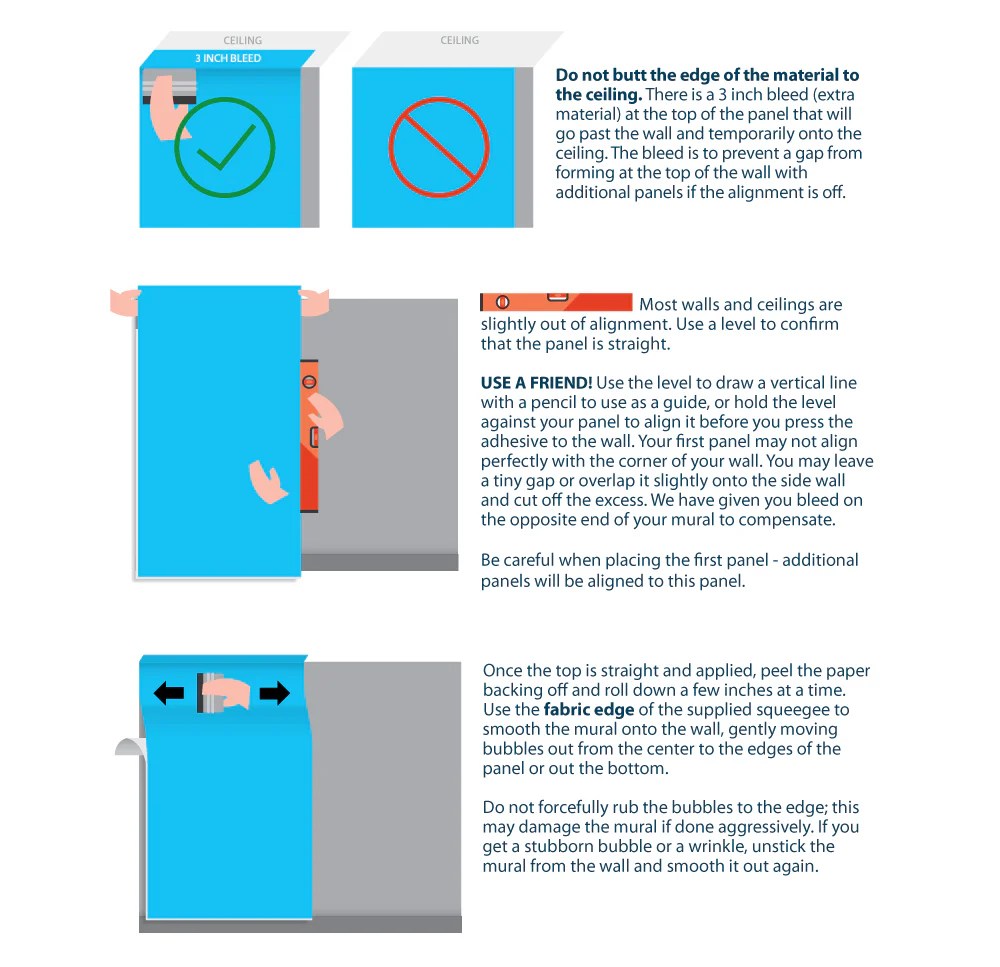
Transforming a blank wall into a stunning focal point with a deco wall mural requires careful planning and execution. Proper installation ensures longevity and maintains the mural’s aesthetic appeal. This section delves into the crucial aspects of installation, from surface preparation to safety measures. Understanding these steps will help you achieve a flawless and enduring result.A successful mural installation hinges on meticulous preparation and adherence to the manufacturer’s instructions.
Elevate your interior design game with striking deco wall murals. Choosing the right mural can completely transform a space, but successful installation is key. Mastering these deco wall mural installation tips and tricks will ensure a flawless finish and a truly impactful design. Ultimately, incorporating these murals into your interior design plan can be a powerful way to make a statement.
Ignoring these details can lead to issues like bubbles, wrinkles, or even detachment. Taking the time to properly prepare the surface and follow the installation guidelines guarantees a professional-looking finish.
Installation Methods
Various methods exist for installing deco wall murals, each tailored to specific mural types and wall conditions. Some murals are designed for simple peel-and-stick applications, while others require more intricate procedures. Understanding these different approaches is essential for a successful outcome. Different installation techniques may be needed depending on the mural material, size, and the surface on which it will be applied.
Surface Preparation
The wall’s condition directly impacts the mural’s adhesion and longevity. A properly prepared surface minimizes the risk of wrinkles, bubbles, or detachment. The key to successful mural installation is meticulous surface preparation.
- Thoroughly clean the wall to remove dust, dirt, grease, or any loose particles. Use a damp cloth or a specialized cleaning solution, ensuring the surface is completely dry before proceeding.
- Identify and address any imperfections, such as holes, cracks, or uneven textures. Fill any gaps with appropriate patching compounds and allow them to dry completely.
- Ensure the wall is smooth and free from any flaking or peeling paint. If necessary, apply a primer to create a uniform surface and enhance adhesion.
- Check for any previous wallpaper or adhesive residue. If present, remove them completely using appropriate tools and techniques.
Adhesive Selection
The choice of adhesive plays a significant role in the mural’s stability and long-term performance. Selecting the right adhesive is crucial for achieving a durable and aesthetically pleasing installation.
- Different mural materials require different adhesive types. Consult the manufacturer’s instructions to determine the appropriate adhesive for your specific mural.
- Some murals are designed for specific adhesives, which will be clearly stated in the instructions. Using the wrong adhesive can compromise the mural’s integrity.
- Applying too much adhesive can lead to unevenness and potential damage. Follow the manufacturer’s guidelines for adhesive application.
- Ensure the adhesive is compatible with the wall surface and the mural material. Using a wrong adhesive can lead to a damaged or detached mural.
Installation Process Considerations
Implementing safety measures and estimating installation time are critical for a smooth and efficient process.
- Always wear appropriate safety gear, such as gloves and eye protection, during the installation process.
- For large murals, consider enlisting assistance to ensure proper handling and alignment.
- Plan the installation carefully to account for potential delays or challenges.
- Estimating installation time is essential for project management and client expectations.
Preparing the Wall Surface
The following table Artikels the crucial steps involved in preparing the wall surface before installing a deco mural.
| Step | Action | Importance |
|---|---|---|
| 1 | Clean the wall thoroughly | Removes dust, dirt, and debris, ensuring a clean surface for adhesive |
| 2 | Repair imperfections | Addresses holes, cracks, and unevenness, promoting even adhesion |
| 3 | Check for residue | Ensures proper adhesion by removing previous wallpaper or adhesive |
| 4 | Prime the wall (if needed) | Creates a uniform surface, improving the mural’s adhesion and appearance |
| 5 | Allow all surfaces to dry completely | Prevents moisture-related issues and ensures optimal adhesion |
Maintenance and Care for Deco Murals
Proper maintenance is crucial for preserving the beauty and longevity of your deco wall murals. Regular care not only enhances their visual appeal but also prevents costly repairs and ensures the mural remains a statement piece in your home for years to come. Ignoring proper maintenance can lead to premature fading, damage, and even the need for costly replacements.Understanding the specific material of your mural is paramount for effective maintenance.
Different materials require different cleaning methods, and improper cleaning can significantly impact the mural’s lifespan. A tailored approach to care will ensure your deco mural remains vibrant and intact for years.
Cleaning Methods for Different Mural Materials
Maintaining the integrity of a deco mural involves understanding the materials used in its creation. Different materials respond differently to cleaning agents, and improper use can damage the mural. This section Artikels suitable cleaning methods for various mural types.
- Paper-Based Murals: These murals are often printed on high-quality paper. Use a soft, damp cloth to gently wipe away dust and debris. Avoid harsh chemicals or abrasive materials, as these can damage the paper. Water should be applied sparingly and in small amounts.
- Vinyl Murals: Vinyl murals are resilient and durable. Mild soapy water is usually sufficient for cleaning. Use a soft sponge or cloth and avoid harsh scrubbing, which can cause scratches or damage the vinyl’s surface. A soft cloth or paper towel is better than a sponge, to avoid scratching the surface.
- Fabric-Based Murals: Fabric murals offer a unique texture. Gently vacuum the mural to remove dust and debris. For more stubborn stains, use a soft brush or a damp cloth with a mild detergent solution. Ensure the solution is diluted and the cleaning process is gentle to avoid stretching or damaging the fabric.
- Acrylic Murals: Acrylic murals are frequently used for their vibrant colors and durability. A gentle cleaning with a damp cloth and mild dish soap solution is often sufficient. Avoid using harsh chemicals or abrasive cleaners, which can damage the acrylic surface.
Preventing Damage and Extending Mural Lifespan
Proactive measures can significantly extend the lifespan of your deco mural. Protecting the mural from damage and degradation is an important investment in maintaining its beauty.
- Protective Covering: If possible, consider covering the mural during construction or renovation activities to prevent accidental damage. This is particularly crucial during painting or other activities that might generate dust or debris.
- Controlling Humidity: High humidity can contribute to the deterioration of certain mural materials. Maintaining a stable humidity level in the room where the mural is installed can help prevent damage and promote its longevity. Monitor the humidity levels and take steps to regulate them if needed.
- Direct Sunlight Protection: Direct sunlight can cause fading and discoloration over time. Consider using curtains or blinds to shield the mural from prolonged exposure to direct sunlight. Protecting the mural from intense sunlight will reduce the risk of fading and color change.
Addressing Fading and Discoloration, How to incorporate deco wall murals in interior design
Fading and discoloration are common issues that can impact the aesthetic appeal of deco murals over time. Prompt action can mitigate the impact of these issues.
- Professional Restoration: For severe fading or discoloration, professional restoration services can help revive the mural’s original vibrancy. This is an option if the issue is beyond simple maintenance procedures. Consult with restoration experts to determine the most suitable approach.
- Sun Protection: Reducing direct sunlight exposure is a key preventative measure. Consider strategically placing furniture or adding window coverings to reduce the mural’s exposure to intense sunlight.
Cleaning Procedures Summary Table
The following table provides a quick reference for cleaning different types of deco wall murals.
| Mural Material | Cleaning Method |
|---|---|
| Paper-Based | Soft, damp cloth; avoid harsh chemicals |
| Vinyl | Mild soapy water; soft sponge or cloth; avoid harsh scrubbing |
| Fabric | Vacuum; soft brush or damp cloth with mild detergent |
| Acrylic | Damp cloth and mild dish soap solution; avoid harsh chemicals |
Budget Considerations and Alternatives
Deco wall murals offer a striking way to personalize your space, but the cost can vary significantly. Understanding the different pricing structures and exploring alternative options is crucial for making informed decisions. This section delves into the budgetary aspects of incorporating these captivating designs into your home décor.The cost of a Deco wall mural depends heavily on the materials, complexity of the design, and the size of the mural.
A simple, smaller mural using readily available materials will likely cost less than a custom-designed, large-scale mural incorporating high-end finishes.
Typical Cost Range for Deco Wall Murals
The cost of Deco wall murals ranges from a few hundred dollars for smaller, simpler designs to several thousand dollars for intricate, large-scale murals featuring high-quality materials and custom artistry. Factors such as the mural’s size, complexity, and the materials used directly impact the price. For example, a mural using premium-grade fabrics or hand-painted designs will command a higher price than a digitally printed mural on a standard canvas.
Comparison of Mural Types
Various types of Deco wall murals exist, each with its own unique cost implications. Printed murals, often digitally produced, typically fall on the lower end of the price spectrum. These are generally cost-effective options for smaller projects. Hand-painted murals, on the other hand, can be significantly more expensive due to the labor involved and the use of premium paints.
A key consideration is whether the mural is produced in-house or outsourced.
Alternatives to Traditional Deco Wall Murals
Consider alternatives to traditional Deco wall murals to manage your budget effectively. A compelling DIY approach involves using stencils, wallpaper, or even creating a mural using fabric scraps and paints. These options can significantly reduce the cost while still achieving a personalized look. Using readily available materials like fabric, wallpaper, or even decoupage techniques can create unique and visually striking results.
Cost-Effective Ways to Achieve a Similar Aesthetic
If a full-scale mural isn’t within your budget, consider cost-effective methods to achieve a similar aesthetic. Applying a bold accent wall with patterned wallpaper, or strategically using large-format prints, can create a dramatic focal point without the expense of a mural. Consider incorporating Deco-inspired artwork, decorative elements, or a series of smaller, framed prints to achieve a similar aesthetic impact.
Table Comparing Costs and Benefits of Different Deco Mural Options
| Mural Type | Typical Cost | Benefits | Drawbacks |
|---|---|---|---|
| Printed (Digital) | $200-$1500+ | Affordable, Quick Turnaround, Wide Variety of Designs | Potentially Lower Quality, Less Unique |
| Hand-Painted | $500-$10,000+ | Highly Customizable, Premium Quality, Unique Artistic Expression | Higher Cost, Longer Production Time, Limited Design Options |
| DIY (Stencils, Wallpaper, Fabric) | $50-$500 | Highly Customizable, Budget-Friendly, Personalized Touch | Requires Time and Skill, Potentially Less Sophisticated Look |
End of Discussion
In conclusion, incorporating deco wall murals into your interior design is more than just a decorating choice; it’s an opportunity to infuse your space with personality, history, and captivating artistry. From understanding the different styles and materials to navigating installation and maintenance, this guide provides a roadmap for success. By thoughtfully considering your space, your style, and your budget, you can transform your home into a unique and unforgettable environment.
Ultimately, the choice is yours to create a space that reflects your unique vision, and this guide is here to empower you to do just that.